en

Most people try to evaluate a business idea by overanalyzing it. They compare competitors, read articles, watch videos, and ask for opinions. The problem is that opinions have no economic value. The only thing that confirms an idea is real payment. An idea becomes good only when someone agrees to pay for it.

One of the biggest fears for people starting a business is competition. Many abandon good ideas simply because they see similar companies already operating. At the same time, others enter crowded markets without understanding why clients do not appear. The problem is not the existence of competitors but the lack of differentiation.

Many people start a business based on assumptions. The idea seems logical, useful, and interesting, and friends confirm it. After launch, reality appears: few inquiries and lack of sales. The problem is not necessarily the quality of the idea, but that real demand was not verified before investment.

Setting the price is one of the most difficult decisions at the beginning of a business. Most beginners instinctively choose what seems safer: a very low price. The reasoning is simple—if it is cheaper than the competition, people will buy. In practice, this strategy creates more problems than solutions.

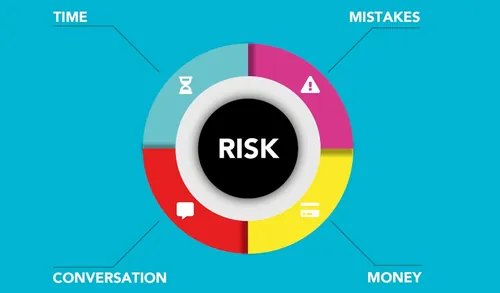
This is probably the most common question someone asks before entering entrepreneurship. The real issue is not lack of ideas. The issue is fear of investing and the risk of losing money. Most people begin incorrectly: they search for a "profitable" niche, trendy products, or cheap suppliers. In reality, small businesses rarely fail because the idea...

Working from home has become a real option for many people, yet most start from a false premise: they look for activities that are easy, fast, and without responsibility. In practice, the difference between a hobby done in a living room and a real home-based business is not the location but the existence of paying clients. If nobody pays, it...

One of the most common barriers before starting a business is lack of experience. Many people believe they must know everything before getting their first client and keep postponing action until they feel fully prepared. The problem is that real experience does not appear before activity, but during it. Most entrepreneurial skills are not learned...

Many people believe the success of a business depends on the initial idea. For this reason, they constantly search for the perfect concept and postpone starting until they find it. In reality, the difference between a business that works and one that does not is not the idea, but the execution. Ideas are common; implementation is rare.

This is one of the most common questions for people who want to start a business. The choice seems simple: online appears modern and inexpensive, while offline seems stable and secure. In reality, the difference is not about personal preference, but about costs, speed, and access to clients.

Many people believe the first step in a business is writing a detailed business plan. They search for templates, fill in tables, and calculate scenarios for months or years ahead. The problem is that most of these plans are written before real contact with the market. As a result, they look good on paper but do not describe reality.